
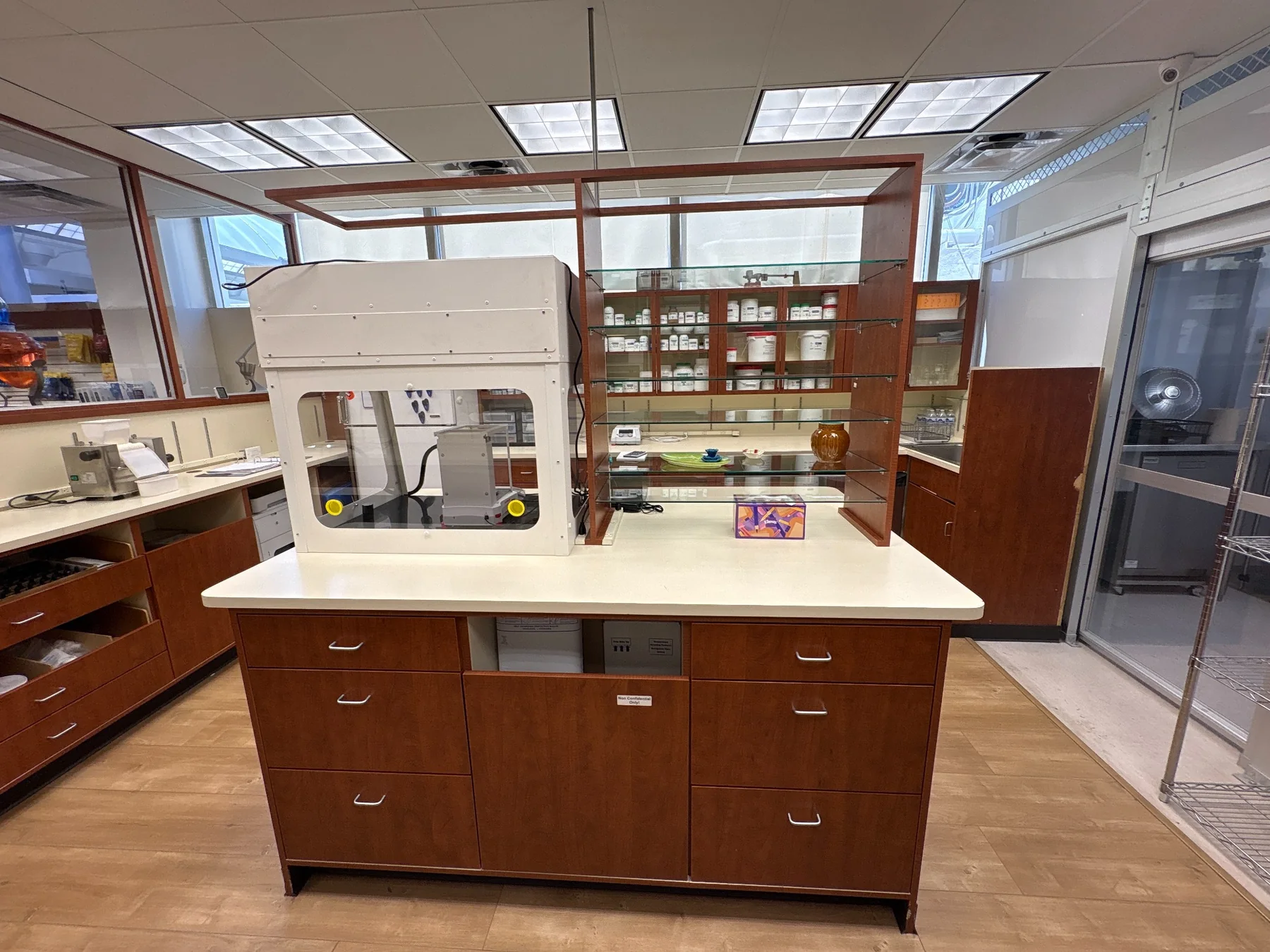
Ways a veterinarian may request a customized strength, flavor or dosage form for an individual animal.
A useful answer about Veterinary Compounding for Dogs and Cats begins with the patient, prescription or itinerary rather than a generic product recommendation. The sections below explain what to verify, what to document and which questions belong in a pharmacist consultation.
Veterinary prescriptions require species-specific details
A dog, cat or other animal is not simply a smaller human patient. Species, weight, diagnosis, flavor preference, concurrent medicine and the caregiver's ability to administer a dose all matter. Veterinary compounding begins with the veterinarian's prescription.
Report refusal, vomiting, missed doses, measuring problems or unexpected behavior. Do not change the dose or substitute a human product without professional direction.
Make pet administration realistic
The best dosage form is one the caregiver can give accurately and consistently. A flavored liquid may help one pet while another may do better with a capsule or another prescribed route. Ask the pharmacy to demonstrate the measuring device.
- Use the supplied measuring tool.
- Keep a dose log in multi-person households.
- Verify the animal name before every dose.
- Call when repeated doses are spit out or vomited.
Start with the exact purpose
A useful discussion about Veterinary Compounding for Dogs and Cats begins with the problem that needs to be solved. Write down the goal, the timeline and what has already been tried. A pharmacist can give a more accurate answer when the request is connected to the patient, prescription, itinerary or practical barrier.
Bring a current medication list, allergies, prior reactions and the names of the prescriber or veterinarian when involved. Mention swallowing, measuring, storage, transportation or cost concerns instead of assuming that one product is the only solution.
The prescription and clinical plan come first
When a prescription is required, the prescriber determines the medication, strength, directions and clinical purpose. The pharmacist verifies that the order is complete, reviews safety and technical considerations and contacts the prescriber when clarification is needed.
For compounded preparations, the prescription should be patient-specific. Availability also depends on ingredients, equipment, professional judgment and current federal and California requirements.
Dosage form changes affect daily use
Capsules, liquids, topicals, troches, suppositories and other forms have different measuring, storage, administration and stability requirements. A form that is convenient for one patient may be impractical for another.
Describe the actual obstacle, such as trouble swallowing, a sensitivity to an inactive ingredient, a pet that refuses medicine or a need to apply medication to a specific area. A pharmacist can then discuss technically appropriate questions with the prescriber.
Quality is a process, not an appearance
Quality-focused pharmacy work includes trained personnel, verified ingredients, calibrated equipment, accurate calculations, documentation, labeling, storage controls and a process for investigating unexpected results. The correct controls depend on the dosage form and how it will be used.
- Confirm the exact prescription and ingredients.
- Ask about storage and the beyond-use date.
- Know what the preparation should look or feel like.
- Call before using a product that appears unexpectedly different.
Storage instructions are part of the plan
Heat, moisture, freezing, sunlight and repeated temperature changes can affect many products. Keep the original label attached and do not assume that every compounded or manufactured medication belongs in the refrigerator.
- Read the label before choosing a storage location.
- Keep medicines away from bathrooms, vehicles and sunny windows.
- Use a thermometer when a refrigeration range matters.
- Call after a power outage, travel delay or temperature concern.
Why patient-specific details matter
The same ingredient can behave differently when the strength, concentration, dosage form, base, container or storage changes. Instructions from an older prescription should never be copied automatically to a new compounded product.
A useful result balances the prescriber's clinical goal, formulation science and the patient's ability to measure, store and use the medicine consistently.
Information to write down before the conversation
Prepare a short note with the exact product or service, the goal, the timeline and what has already been tried. Include names and strengths when relevant, but do not rely on memory for concentration, dose or directions.
- Prescriber or veterinarian contact information when involved.
- A current medication, supplement and allergy list.
- Photos of labels, devices, packaging or records that are difficult to describe.
- The deadline, travel date, remaining supply or delivery address.
- The specific decision you need help making.
A practical checklist
- Bring complete and current information.
- Compare the label, strength, concentration and dosage form.
- Confirm timing, storage, measurement and refill steps.
- Ask what changes require another call.
- Write down the final plan and who will take the next action.
Questions worth asking
Write questions before calling so important details are not lost during a busy day.
- What information should I bring about veterinary compounding for dogs and cats?
- Which parts require a prescriber, veterinarian, insurer or another healthcare professional?
- What should I expect for timing, cost, availability or insurance?
- How should the medication or product be measured, stored and monitored?
- Which symptoms or problems mean I should call promptly?
When to contact Aid Plus Pharmacy
Call (818) 875-5000 for availability, prescription transfers, compounding, pharmacist-furnished services, same-day local delivery or shipping across California. For a general written question, use the Ask a Pharmacist contact form.
For severe or rapidly worsening symptoms, breathing difficulty, chest pain, loss of consciousness, suspected overdose or another emergency, call 911.
Sources and further reading
Regulations and clinical guidance can change. Review current official sources and speak with a qualified professional for patient-specific advice.
This article is educational information and is not a diagnosis, prescription or individualized treatment recommendation.
Make the pharmacy conversation more productive
Write a one-sentence goal and a short timeline. Gather labels, records, packaging, measuring devices and the names of other professionals involved. Specific information helps distinguish an inventory question from a clinical, insurance, storage or administration problem.
Repeat the final plan back in your own words. Confirm who will take the next action, how long it should take and what to do if the expected result does not occur.
Recheck the plan when circumstances change
A new prescription, different concentration, changed itinerary, insurance decision, missed dose, side effect or delivery delay can make an earlier instruction incomplete. Keep the original label and call with the exact change instead of adapting the old plan on your own.
Document the person you spoke with, the date and the final instruction. Clear records are especially useful when the prescriber, pharmacy, insurer and caregiver are all involved.
Ask an Aid Plus pharmacist
Call (818) 875-5000, send a general message or book a 15-minute consultation.