
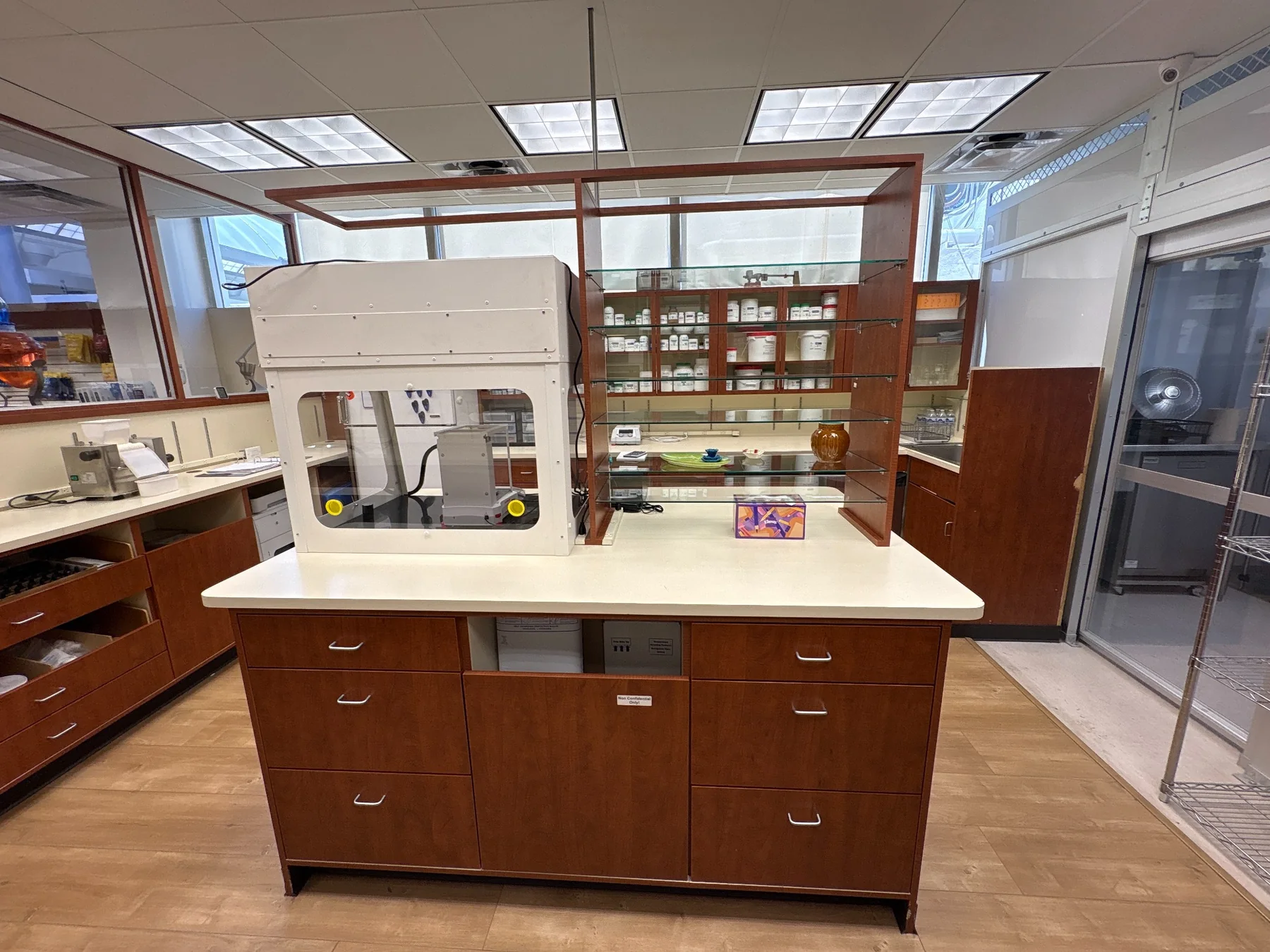
A practical overview of how custom medications differ from mass-manufactured products and when a prescriber may request them.
A useful answer about What Is a Compounding Pharmacy? begins with the patient, prescription or itinerary rather than a generic product recommendation. The sections below explain what to verify, what to document and which questions belong in a pharmacist consultation.
Accurate measurement prevents avoidable errors
Household spoons, visual estimates and unmarked containers are not reliable measuring tools. Use the oral syringe, calibrated cup, pump or device supplied or recommended for the prescription. Make sure the units on the device match the units on the label.
When directions use milligrams, milliliters, units or pump actuations, repeat the instruction back in your own words. This teach-back step can uncover confusion before the first dose.
Plan refills before the final dose
A customized or specialty medication may require ingredient ordering, preparation, verification, insurance work or prescriber coordination. Ask how many business days are normally needed and whether a new prescription will be required.
Review the timeline before travel, holidays or an insurance change. Early planning provides more options when supply or authorization takes longer than expected.
Inactive ingredients can still matter
Colorants, flavors, sweeteners, preservatives, fillers and capsule materials can affect tolerability, allergies, dietary restrictions and administration. Describe the exact prior product and reaction instead of using a broad allergy label without details.
Removing or replacing an ingredient is not always technically possible, and a change can affect stability or taste. The complete formulation should be evaluated.
Understand the beyond-use date
A compounded preparation uses a beyond-use date that reflects the formulation, ingredients, container, storage conditions and applicable standards. It is different from the manufacturer expiration date on a mass-produced package.
Keep the label attached, mark the opening date when instructed and dispose of remaining product as directed after the beyond-use date. Call if the date or storage instruction is unclear.
Choose a pharmacy that communicates clearly
A careful pharmacy should explain realistic timing, formulation questions, storage, refill planning and when the prescriber must be involved. It should also be willing to say when a request is not appropriate or cannot be prepared.
- Verify the pharmacy license and contact information.
- Ask whether the preparation is made on site.
- Confirm how questions after pickup are handled.
- Look for clear labels and written instructions.
Start with the exact purpose
A useful discussion about What Is a Compounding Pharmacy? begins with the problem that needs to be solved. Write down the goal, the timeline and what has already been tried. A pharmacist can give a more accurate answer when the request is connected to the patient, prescription, itinerary or practical barrier.
Bring a current medication list, allergies, prior reactions and the names of the prescriber or veterinarian when involved. Mention swallowing, measuring, storage, transportation or cost concerns instead of assuming that one product is the only solution.
The prescription and clinical plan come first
When a prescription is required, the prescriber determines the medication, strength, directions and clinical purpose. The pharmacist verifies that the order is complete, reviews safety and technical considerations and contacts the prescriber when clarification is needed.
For compounded preparations, the prescription should be patient-specific. Availability also depends on ingredients, equipment, professional judgment and current federal and California requirements.
Why patient-specific details matter
The same ingredient can behave differently when the strength, concentration, dosage form, base, container or storage changes. Instructions from an older prescription should never be copied automatically to a new compounded product.
A useful result balances the prescriber's clinical goal, formulation science and the patient's ability to measure, store and use the medicine consistently.
Information to write down before the conversation
Prepare a short note with the exact product or service, the goal, the timeline and what has already been tried. Include names and strengths when relevant, but do not rely on memory for concentration, dose or directions.
- Prescriber or veterinarian contact information when involved.
- A current medication, supplement and allergy list.
- Photos of labels, devices, packaging or records that are difficult to describe.
- The deadline, travel date, remaining supply or delivery address.
- The specific decision you need help making.
A practical checklist
- Bring complete and current information.
- Compare the label, strength, concentration and dosage form.
- Confirm timing, storage, measurement and refill steps.
- Ask what changes require another call.
- Write down the final plan and who will take the next action.
Questions worth asking
Write questions before calling so important details are not lost during a busy day.
- What information should I bring about what is a compounding pharmacy??
- Which parts require a prescriber, veterinarian, insurer or another healthcare professional?
- What should I expect for timing, cost, availability or insurance?
- How should the medication or product be measured, stored and monitored?
- Which symptoms or problems mean I should call promptly?
When to contact Aid Plus Pharmacy
Call (818) 875-5000 for availability, prescription transfers, compounding, pharmacist-furnished services, same-day local delivery or shipping across California. For a general written question, use the Ask a Pharmacist contact form.
For severe or rapidly worsening symptoms, breathing difficulty, chest pain, loss of consciousness, suspected overdose or another emergency, call 911.
Sources and further reading
Regulations and clinical guidance can change. Review current official sources and speak with a qualified professional for patient-specific advice.
This article is educational information and is not a diagnosis, prescription or individualized treatment recommendation.
Make the pharmacy conversation more productive
Write a one-sentence goal and a short timeline. Gather labels, records, packaging, measuring devices and the names of other professionals involved. Specific information helps distinguish an inventory question from a clinical, insurance, storage or administration problem.
Repeat the final plan back in your own words. Confirm who will take the next action, how long it should take and what to do if the expected result does not occur.
Recheck the plan when circumstances change
A new prescription, different concentration, changed itinerary, insurance decision, missed dose, side effect or delivery delay can make an earlier instruction incomplete. Keep the original label and call with the exact change instead of adapting the old plan on your own.
Document the person you spoke with, the date and the final instruction. Clear records are especially useful when the prescriber, pharmacy, insurer and caregiver are all involved.
Ask an Aid Plus pharmacist
Call (818) 875-5000, send a general message or book a 15-minute consultation.